
-
What is the Liebherr 13000 crawler crane?
-
How should I read tower crane specifications?
-
What do sourcing teams overlook in tower crane sourcing?
-
Ton crane OEM vs private label: what's the difference in practice?
-
How does Liebherr's range affect a crane sourcing decision?
-
Which hidden costs should every crane buyer include in a comparison?
I review heavy crane packages before they leave our depot—roughly 120 machines per year. In 2024, I rejected about 11% of first-delivery packages because the load chart didn't match the machine configuration, or because the paperwork couldn't tie major components back to the manufacturer. This FAQ is what I find myself explaining to buyers who ask about Liebherr crane sourcing, tower crane specifications, or ton crane OEM vs private label decisions.
One caveat: I'm on the acceptance side of the industry and I don't sell cranes. The details below were accurate as of Q1 2025. Verify current documentation and local requirements before committing money.
What is the Liebherr 13000 crawler crane?
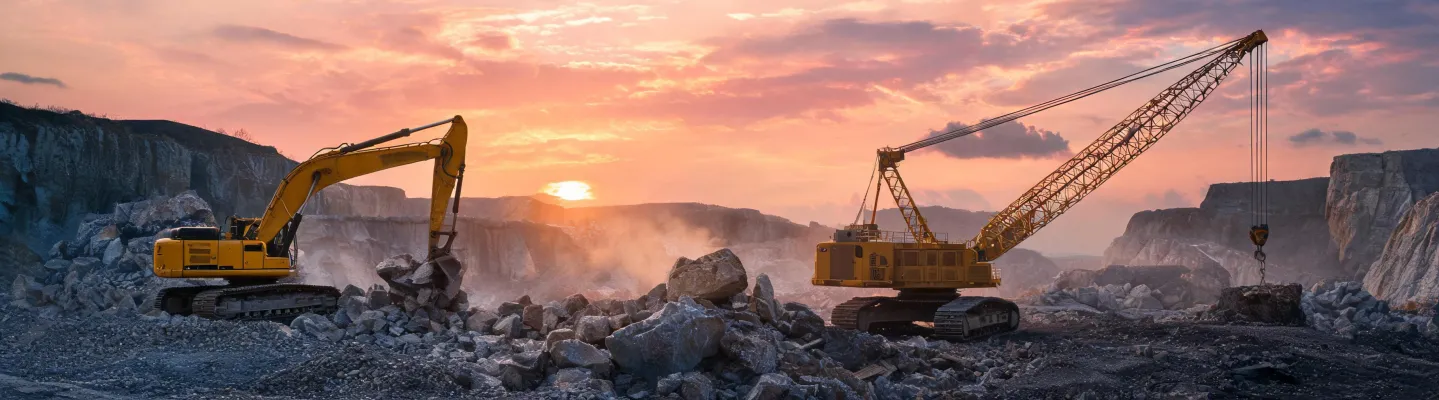
The Liebherr 13000 crawler crane—usually listed as the LR 13000 in product literature—is Liebherr's heavy-lift crawler platform for industrial plant work. It's built for jobs like refinery module placement, power station component lifts, and large modular construction where standard crawler cranes can't cover both weight and radius. According to Liebherr's product documentation (liebherr.com), the LR 13000 is designed for extremely heavy lifting in modular construction. But I don't think the main lesson for most buyers is buy one. It's simpler: capacity is configuration-dependent.
In acceptance work, I treat every Liebherr crane the same way, whether it's a 100-ton-class unit or the 13000-class machine. If the load chart doesn't specify boom length, counterweight, hook radius, and track condition, then the brochure number doesn't count as a certified capacity. That's why I always tell procurement teams to ask for the exact configuration load chart before comparing a quote to anything else.
How should I read tower crane specifications?
Start with the load chart at the radius where your load will actually be placed. Tower crane specifications usually list the maximum load near the mast—impressive but rarely the limiting number for a building site. You need the capacity at maximum jib end, free-standing hook height, ballast, tie-in spacing, transport dimensions, and power requirements. The question isn't how much can this crane lift. It's how much can this crane lift with the jib at the position that serves the work area.
In Q3 2024, I compared two tower cranes with similar maximum load ratings. One kept 4.6 t at 65 m radius; the other only 3.1 t. The panel we needed to lift at 65 m was 3.5 t. The first crane was not an option, even though the headline capacity was identical. Nobody had hidden anything. The max capacity figure just doesn't tell you the whole story.
What do sourcing teams overlook in tower crane sourcing?
Many sourcing teams compare price, lead time, and the tower crane spec table. They don't compare foundation loads, transport modules, ballast types, climbing frame compatibility, or whether the new mast sections fit what the contractor already owns. I've seen those items turn a low-cost tower crane into the most expensive option on the project.
I made that mistake myself in 2022. I assumed the new tower crane mast sections in a proposal would pin directly to the older mast sections we had in storage. They did not—different tie-in spacing and climbing ladder geometry. The crane itself was fine. My assumption was the problem. That delay taught me to ask for a written compatibility statement before signing any tower crane sourcing contract.
Ton crane OEM vs private label: what's the difference in practice?
An OEM crane is designed and documented by the original manufacturer. A Liebherr crane, for example, comes with Liebherr load charts, serial-number traceability, and the manufacturer's engineering responsibility. A private-label crane usually means one of two things: a factory builds a unit and a reseller puts its own brand on it, or a dealer rebuilds an older OEM crane and sells it under a separate label. Private label is not automatically unsafe. But it changes the documentation and liability chain.
If I'm evaluating a 300-ton private-label crane, I ask for five things: the original OEM load chart, the current configuration chart, a certificate of conformity or equivalent, serial-number traceability for major components, and a written statement of who owns the engineering after the crane leaves the yard. In 2022, I rejected three private-label machines in one batch because the rebuilder couldn't verify the origin of the slew ring. The units looked clean. The file was incomplete. I do not sign off on we think it's fine when the machine can lift several hundred tons.
How does Liebherr's range affect a crane sourcing decision?
Liebherr's product range makes it practical to standardize across many types of lifting equipment—crawler cranes, tower cranes, mobile cranes, excavators, dozers, and mining trucks. On paper, that simplifies spare parts, operator familiarization, and dealer support. In practice, it only helps if the local support infrastructure is there. A global brand isn't a local spare parts warehouse.
During a 2024 supplier audit, I saw a quote for a Liebherr crane that looked competitive. But the service plan didn't identify the nearest response team, and the spare parts lead time wasn't defined. The crane would have been excellent. The aftersales commitment wasn't sourceable. Now my acceptance criterion includes support, not just OEM specifications. I'd rather buy a well-supported crane than one that exists only as an excellent brochure.
Which hidden costs should every crane buyer include in a comparison?
The purchase price is just the start. Total cost thinking means adding transport permits, special trucks for boom and ballast, ground improvement, assembly and disassembly cranes, certification inspections, insurance in transit, customs, spare parts, and the cost of downtime if a load chart arrives late. The lowest quote can look great until you see what it left out.
In Q4 2024, we asked three suppliers to quote the same scope: positioned on site, assembled, load-tested, and documented. One quote jumped by 18% once that scope was applied. That wasn't a surprise anymore—it was a decision. I'll take a higher quote with complete documentation over an incomplete low quote every week. A crane without supporting engineering data isn't a crane; it's a very expensive static structure.

Charlotte Avery is an earth-moving machinery analyst covering excavators, mini excavators, loaders, skid steers, dozers, graders, compactors, and attachments. She uses ISO 6165 machine classification and ISO 20474-1 safety requirements while examining operating mass, rated payload, breakout force, ground pressure, stability, visibility, guarding, and attachment compatibility. Her work helps contractors and fleet buyers match machine size, undercarriage, transport limits, and protective features to terrain, duty cycle, and jobsite access.